

-
Wilson Tulpehocken Ecology Project
.JPG "Tulpy")
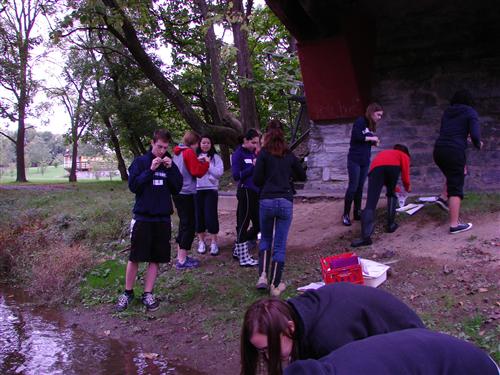 _______________________________________________________________________________________________________________________________________________Wilson Biology students are visiting the Tulpehocken Creek at several locations to study the aquatic ecosystem. Mr. Ulmer has acquired a scientific research permit which allows students to collect specimens from the creek and its surroundings for study. There are strict regulations to be followed, and all collections must be made under Mr. Ulmer's supervision. Most organisms will be released after documentation. Students will photograph and measure fish, amphibians, insects and plants. They will also sample the water for testing back in the lab. They will be publishing their results here. Fall Dates : October 12, November 10 ( at PaperMill Rd., Ulmer and Dahms,) November 16 ( Site TBD with Dahms)The Tulpehocken Chapter of Trout Unlimited : Mr. Ulmer is a member of T.U. , and is participating in their monitoring of local streams for water quality. Students will have the opportunity to assist in this service. This is a group which promotes the preservation of the streams of Berks County. Visit their web site : Tulpehocken TU . Wilson is participating in their "Trout in the Classroom" program. Mr. Rafauff's classes have a tank and are growing trout for release in the Tulpehocken Creek. The Chapter's meeting place is in Gring's Mill Park, at the Tulpehocken Creek, at the Tully House.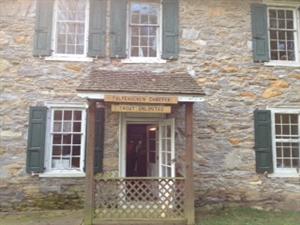
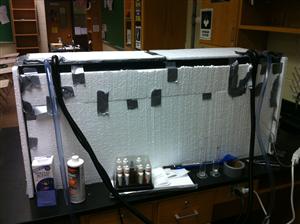
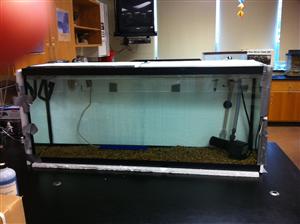
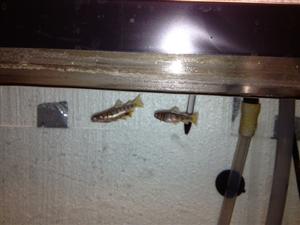
This is the back of the trout tank . This shows the front of the tank. The fish are very small. They were grown from eggs. They will be released into the Tulpehocken in the Spring. Wilson raised Brook trout.
 Ecology Class Ecology Class The Field Study Ecology Class at the Red Bridge Heritage Center, occurred on September 29,2012 We collected samples from the Creek with the Berks Parks Environmental Educator, Jennifer Brooks. We also checked out the historical covered bridge. These awesome students did science on a Saturday! We calculated the pollution tolerance index based on species of macroinvertebrates found. The Tulpehocken Creek was in very good condition with a PTI of 22.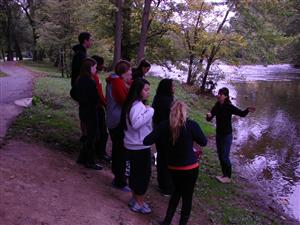
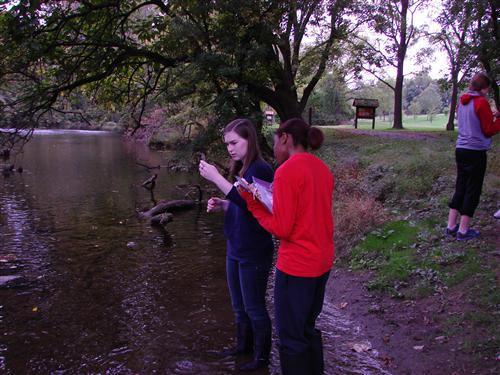
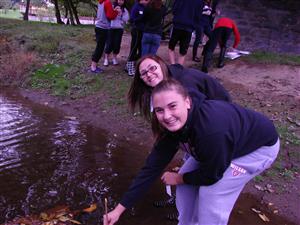
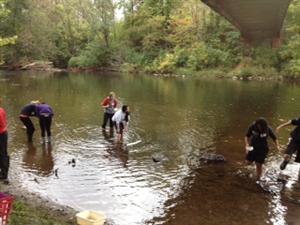
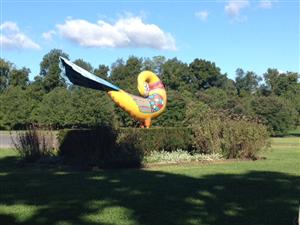
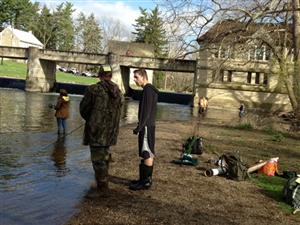
.jpg "berks") The second Field study was held on October13, 2012. Students particpated in two activities. Part 1 was 8 AM - 10AM and was centered around fishing. Part 2 was 10 AM - 12, and included a Nature Walk and Macroinvertebrate study.
The second Field study was held on October13, 2012. Students particpated in two activities. Part 1 was 8 AM - 10AM and was centered around fishing. Part 2 was 10 AM - 12, and included a Nature Walk and Macroinvertebrate study.
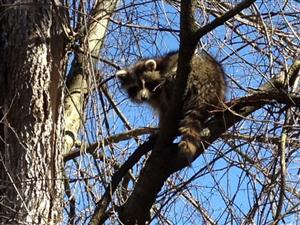
The Third Field Study was March 23, 2013. Several animals were sighted on this cold morning. A raccoon was perched in a tree while we fished. Smaller sunfish were not yet seen in the creek. Several Rainbow Trout were caught and released. We used fishing rods and barbless single hooks. A Kingfisher was also seen stream-side. Many bright red Cardinals were seen in the woods. Wild yellow Crocus flowers were seen.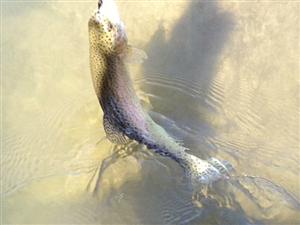
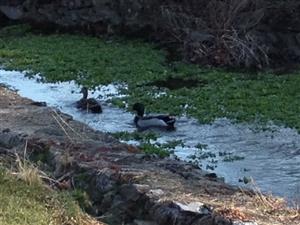
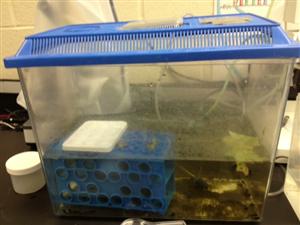
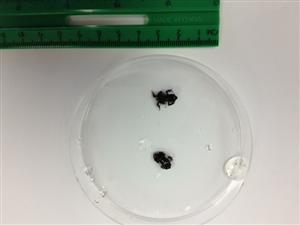
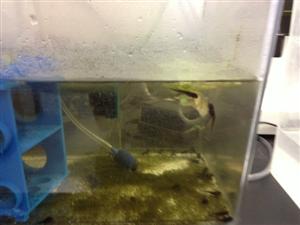
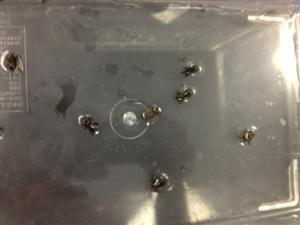
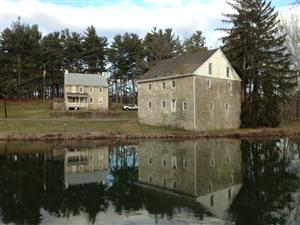 The Fourth Field Study was held on April 13, 20113 at the Gring"s Mill bridge.. Students participated in two activities. Part 1 was 8 AM - 10AM and was centered around collecting and identifying Macroinvertebrates using a Seine net. Part 2 was 10 AM - 12, and was centered on fishing. Some students had their first fishing experience. A Rainbow Trout was caught. We later dissected it in the lab. Tully Toad eggs were collected and led to a month long adventure with tadpoles and tiny little toads in a lab tank.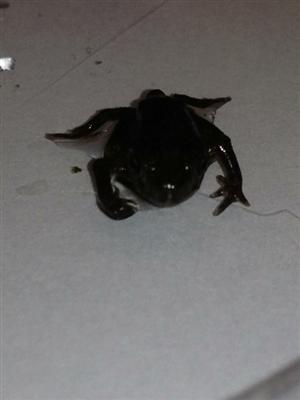
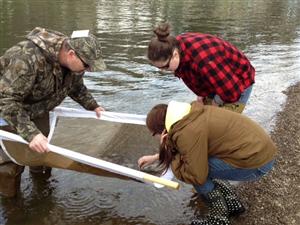 Mr. Clemente, helped was a great help with this Field Study. We saw an Osprey fly over with a trout in its talons. We also identified twenty species on Macroinvertebrates.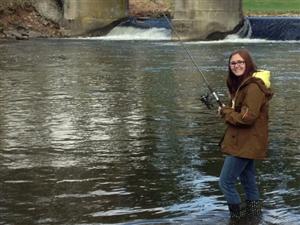
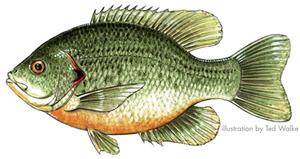
 Field Study WebPages: These links include student research and photos of organisms of the Tulpehocken Creek Ecosystem.Project Information for Students : InformationTrees: Photos and InformationFish: Photos and InformationBirds: Photos and InformationSample Report :DATE Reporter Location Time9/2/2012 : Mr. Ulmer : Tulpehocken Creek, at the stilling basin, 7:30 AMI saw two osprey flying along the creek. There was also a Blue Heron, which appeared to have a nest at this location. Redear Sunfish were seen surfacing to eat insects ( Caddis Flies) . The water temperature was 65 degrees F, while the air temp was 72-75 degrees F.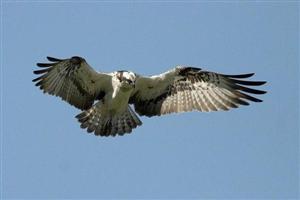
.jpg "heron")

Last Modified on October 12, 2013
